News
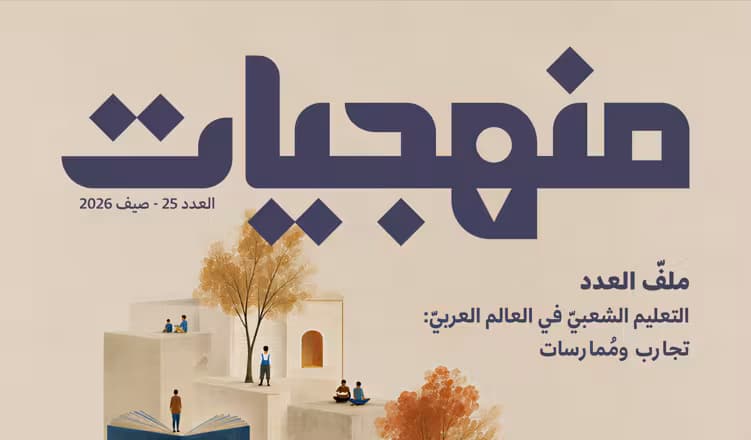
Across the Arab world, education systems are undergoing significant reform as countries seek to adopt the latest educational research, strategies, and teaching approaches from around the globe. Schools and educational institutions are introducing new models, preparing teachers to implement them effectively, and helping parents understand their purpose and value.
Despite these advances, however, an important element often remains overlooked: the connection between learning and the world beyond the school. This is not simply about taking students outside the classroom or offering extracurricular activities. Rather, it is about helping learners make meaningful connections between what they learn, the realities they experience, the challenges their communities face, and the role they can play in shaping a better future.
This is where the ideas of Paulo Freire, developed in response to Brazil's social realities, become especially relevant. Freire viewed education as a collaborative process in which learners take ownership of their learning alongside a facilitator rather than a traditional teacher. Together, they build knowledge by understanding their reality, questioning it critically, identifying its problems, and working to transform it.
Read the full issue at the link below:
لماذا نتحدّث عن التعليم الشعبيّ؟ | منهجيات - نحو تعليم معاصر